
Rachael's Work Has Been Featured in:





What well explore:
I've taken everything I've learned in my clinical practice and on my own about self-doubt, self-abandonment, and the families that teach them, and distilled it into 45 minutes you can actually use.

Self-trust doesn't disappear all at once. It gets worn down in specific ways, and each one takes something different from you. In 45 minutes together, we'll look at each of the ways that mistrust is formed in communication with emotionally immature caregivers. Additionally, we'll discuss the following.
1
Why self-doubt is learned, not a flaw in your character. How growing up with an emotionally immature parent trains you to override your own perception in order to stay connected.
2
When silence was the punishment. How stonewalling and withdrawn affection teach you that your voice isn't welcome, so you stop believing you have the right to be heard.
3
How self-trust makes you harder to manipulate. Why the people who once rewrote your reality lose their grip when you stop needing their confirmation.
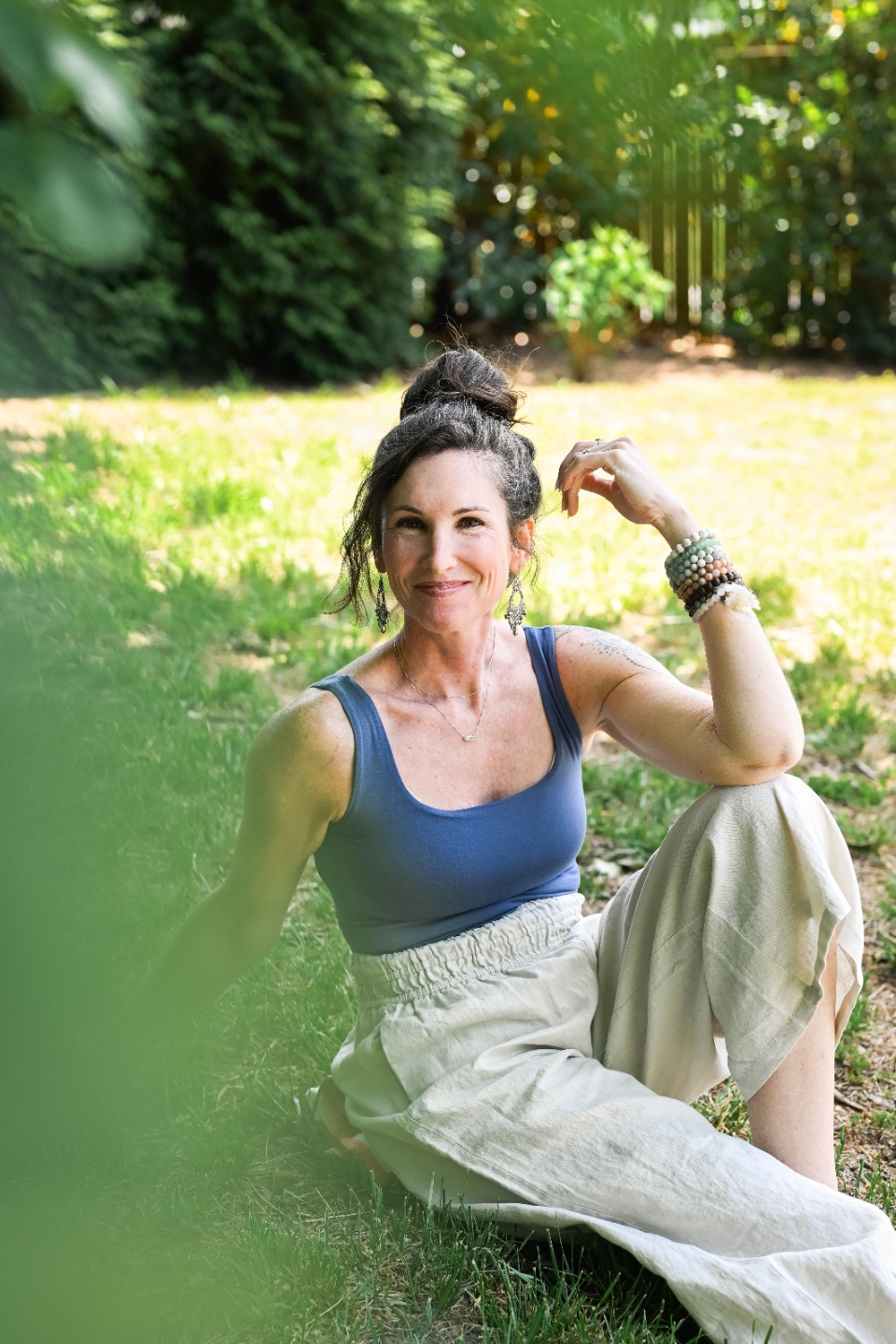

Hi. I'm Rachael.
Your guide back to your inner wisdom.
Rachael Chatham is a Licensed Clinical Mental Health Counselor with more than 20 years of clinical experience. In her private practice in Asheville, North Carolina, she specializes in narcissistic family systems, complex trauma, schema therapy, and the relational patterns we carry from childhood into adult life. She trained in holistic counseling psychology at JFK University, where she also earned a Certificate in Buddhist Psychology.
Her writing has appeared in Psychotherapy Networker, and her work has been featured in Vogue, NBC, Well+Good, and Scary Mommy.

You'll leave with language for what happened, a clearer sense of why it still shows up, and a simple practice you can start using right away.

Frequently Asked Questions
Do I need to have done therapy to benefit?
No. If you have, you'll likely find language for what still feels stuck. If you haven't, this is a gentle and clear place to start.
Will I have to share anything personal?
Not at all. You're welcome to simply listen. There will be 15 minutes for Q and A at the end if you'd like to ask a question.
Is this therapy?
No. This is an educational session, not therapy or a substitute for individual care.